
If you are considering replacing your roof, one of the biggest questions you may have is: does a new roof increase home value? The short answer is yes. A professionally installed roof can improve curb appeal, increase buyer confidence, boost energy efficiency, and help your property stand out in a competitive housing market.
For many homeowners, a roof replacement is not just a repair project — it is an investment in the long-term value and protection of the home. Whether you are preparing to sell your property or simply want to protect it for years to come, understanding how much value a new roof adds can help you make a smarter financial decision.
Does a New Roof Increase Home Value?
A new roof can absolutely increase the value of your home. In fact, roofing upgrades are consistently ranked among the top home improvement projects for return on investment.
Potential buyers often see the roof as one of the most important parts of a house. An aging or damaged roof can create concerns about leaks, structural damage, mold, insulation problems, and future repair costs. On the other hand, a new roof signals that the home has been properly maintained and may require fewer immediate repairs.
When buyers see a recently installed roof, they often perceive the property as:
- Better maintained
- More energy efficient
- Safer and more structurally sound
- Less risky financially
- More visually appealing
These factors can translate into higher offers and a faster sale.
How Much Does a New Roof Increase Home Value?
Many homeowners ask: how much does a new roof increase home value?
The answer depends on several factors, including the roofing material, the condition of the previous roof, local real estate market trends, and the overall condition of the property. On average, homeowners can often recover a significant portion of the roofing investment when selling the home.
In many housing markets, a new roof may increase resale value by thousands of dollars while also helping the home sell more quickly.
Roofing Material
Higher-end roofing materials often provide a stronger return on investment. Popular options include:
- Architectural asphalt shingles
- Metal roofing
- Slate roofing
- Cedar shake roofing
- Composite shingles
Premium materials can improve durability, aesthetics, and lifespan, all of which appeal to buyers.
Local Housing Market
In competitive real estate markets, homes with updated roofing systems may attract more interest and stronger offers. Buyers may be willing to pay more for a move-in-ready property that does not require immediate maintenance.
Energy Efficiency
Modern roofing systems can improve attic ventilation and insulation performance. Energy-efficient roofing materials may help reduce heating and cooling costs, which is another attractive feature for buyers.
Roof Warranty
A transferable manufacturer or workmanship warranty can also increase perceived value. Buyers appreciate knowing they are protected against potential roofing issues after purchasing the home.
Does a New Roof Add Value to a Home Before Selling?
Yes, replacing an old roof before listing your property can be a strategic move. Buyers frequently negotiate lower prices when they see signs of roof wear, damage, missing shingles, or water stains.
A new roof can help:
- Increase listing appeal
- Improve home inspection results
- Reduce buyer objections
- Prevent delayed closings
- Support a stronger asking price
Real estate agents often recommend addressing major roofing issues before putting a home on the market because buyers may hesitate to purchase a property with expensive pending repairs.
Signs It May Be Time for a Roof Replacement
If you are unsure whether your roof needs replacement, watch for these common warning signs:
Missing or Damaged Shingles
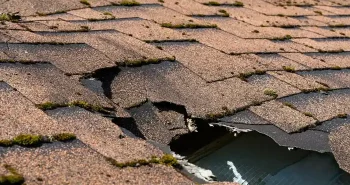
Cracked, curled, or missing shingles can expose your home to water intrusion and structural damage.
Roof Leaks
Water stains on ceilings or walls may indicate roof leaks that require immediate attention.
Sagging Rooflines
A sagging roof can signal structural issues or moisture damage beneath the roofing materials.
Moss or Algae Growth
Excessive moss growth can trap moisture and accelerate roof deterioration.
Aging Roof
Most asphalt shingle roofs last between 20 and 30 years. If your roof is approaching the end of its lifespan, replacement may be more cost-effective than ongoing repairs.
Energy Efficiency Benefits of a New Roof
Another reason homeowners ask “does a new roof add value to a home” is because of the energy-saving advantages modern roofing systems can provide.
New roofs often include improved ventilation systems, reflective materials, and upgraded underlayment technologies that help regulate indoor temperatures.
Benefits may include:
- Lower utility bills
- Improved indoor comfort
- Better attic ventilation
- Reduced HVAC strain
- Enhanced insulation performance
Energy-efficient upgrades can make your home more appealing to environmentally conscious buyers as well.
Curb Appeal and First Impressions
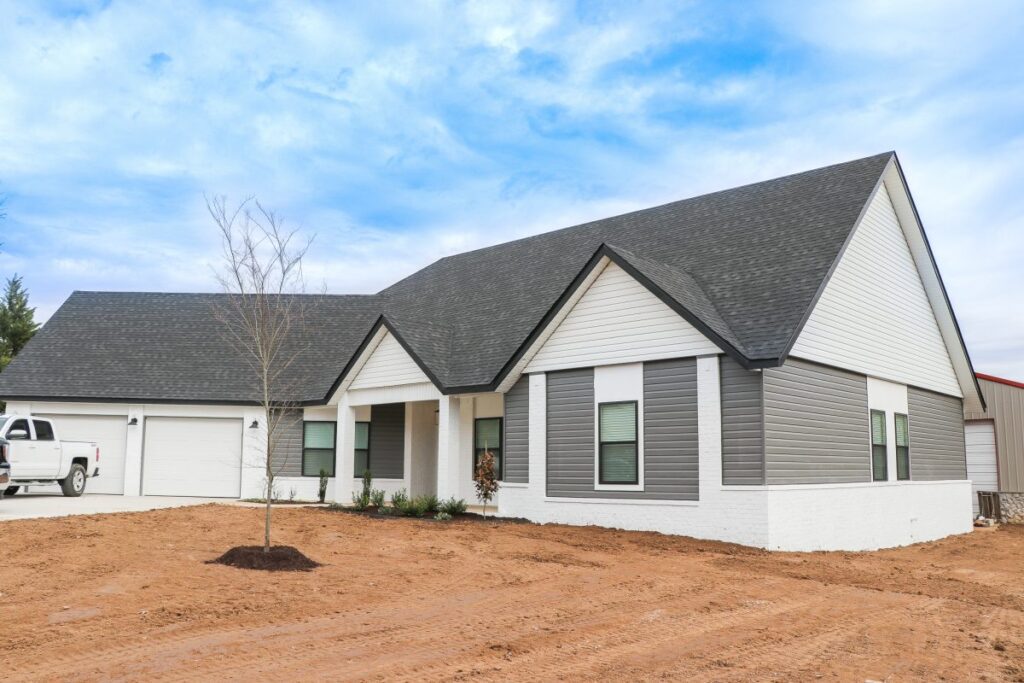
One of the fastest ways to improve a home’s exterior appearance is with a new roof. Since the roof makes up a large portion of a home’s visible exterior, worn shingles or discoloration can negatively affect curb appeal.
A new roof can instantly modernize the look of your home by:
- Updating color and style
- Improving exterior aesthetics
- Creating a cleaner appearance
- Complementing siding and trim
- Making the property look newer overall
First impressions matter, especially when buyers are browsing online listings or driving through neighborhoods.
Can a New Roof Help Homeowners Insurance?
In some situations, yes. Insurance companies may offer lower premiums for homes with newer roofs because they are considered lower risk.
A new roof can potentially help reduce claims related to:
- Storm damage
- Water leaks
- Wind damage
- Structural deterioration
Depending on the roofing material and local climate conditions, homeowners may qualify for insurance discounts after a roof replacement.
Repair vs. Replacement: Which Is Better?
Some homeowners debate whether they should repair an existing roof or fully replace it.
Repairs may be appropriate when:
- Damage is limited to a small area
- The roof is relatively new
- Structural components remain in good condition
Replacement may be the better option when:
- The roof is near the end of its lifespan
- Multiple leaks exist
- Repairs are becoming frequent
- Storm damage is extensive
- Energy efficiency is poor
A professional roofing inspection can help determine the best course of action.
Choosing the Right Roofing Contractor
The quality of installation matters just as much as the roofing materials themselves. Hiring an experienced roofing contractor helps ensure long-term durability and performance.
When choosing a roofing company, look for:
- Proper licensing and insurance
- Strong customer reviews
- Manufacturer certifications
- Written warranties
- Transparent estimates
- Experience with your roofing type
A poorly installed roof can lead to future problems that reduce the value of your investment.
Popular Roofing Materials That Add Value
Asphalt Shingles
Architectural asphalt shingles remain one of the most popular and cost-effective roofing options for homeowners.
Benefits include:
- Affordability
- Variety of colors and styles
- Good durability
- Relatively easy maintenance
Metal Roofing
Metal roofs are becoming increasingly popular due to their longevity and energy efficiency.
Benefits include:
- Long lifespan
- Weather resistance
- Energy savings
- Modern appearance
Slate Roofing
Slate offers a premium appearance and exceptional longevity.
Benefits include:
- Elegant aesthetic
- Extremely durable
- Fire resistant
- Long-term value
Cedar Shake Roofing
Cedar shake roofs provide a natural and upscale appearance.
Benefits include:
- Unique visual appeal
- Strong insulation properties
- Rustic character
Final Thoughts: Does a New Roof Add Value to a Home?
For many homeowners, the answer is yes. A roof replacement can improve curb appeal, enhance energy efficiency, increase buyer confidence, and support stronger resale value.
If you are asking questions like:
- Does a new roof increase home value?
- How much does a new roof increase home value?
- Does a new roof add value to a home?
The evidence strongly suggests that investing in a professionally installed roof can deliver both immediate and long-term benefits.
Beyond increasing property value, a new roof also provides peace of mind, improved protection, and greater comfort for your family. Whether you plan to sell your home soon or stay for years to come, replacing an aging roof can be one of the smartest home improvement investments you make.