
What Is the Best Siding for Your Home?
Choosing the best siding for your home comes down to durability, appearance, maintenance, climate, and budget. The right material should protect your home from moisture and severe weather while improving curb appeal and providing reliable long-term value. Below, we compare the most popular siding options and explain which materials work best for different homes and priorities.
Quick Overview: Choosing the Best Siding for Your Home
- Fiber cement siding is the best overall choice for homeowners who want strong durability, attractive design options, and dependable long-term performance.
- Vinyl siding offers the best value because it is affordable, low-maintenance, moisture-resistant, and available in many colors and styles.
- Engineered wood siding provides a premium wood appearance while offering better resistance to moisture, insects, and impact damage than traditional wood.
- The local climate should influence your decision, especially in areas with high humidity, heavy rain, hail, strong winds, and changing temperatures.
- Quality installation matters as much as the siding material because poor flashing, fastening, or moisture protection can cause even premium siding to fail early.
What Makes a Good Siding Material?
The best siding should do more than improve your home’s appearance. It should protect the structure from moisture, wind, insects, temperature changes, and everyday wear while remaining attractive for years.
Durability is important, but it should not be considered alone. Homeowners should also think about maintenance, installation cost, architectural style, energy efficiency, and how long they expect to remain in the home. A more expensive material may offer greater long-term value, while a more affordable option may make better sense for a limited budget.
Professional installation is equally important. Even high-quality siding can develop moisture problems or fail prematurely when flashing, house wrap, fastening, and ventilation are handled incorrectly. First Star Exteriors provides professional siding installation and replacement services designed to protect the entire exterior system, not just improve its appearance.
Fiber Cement Siding
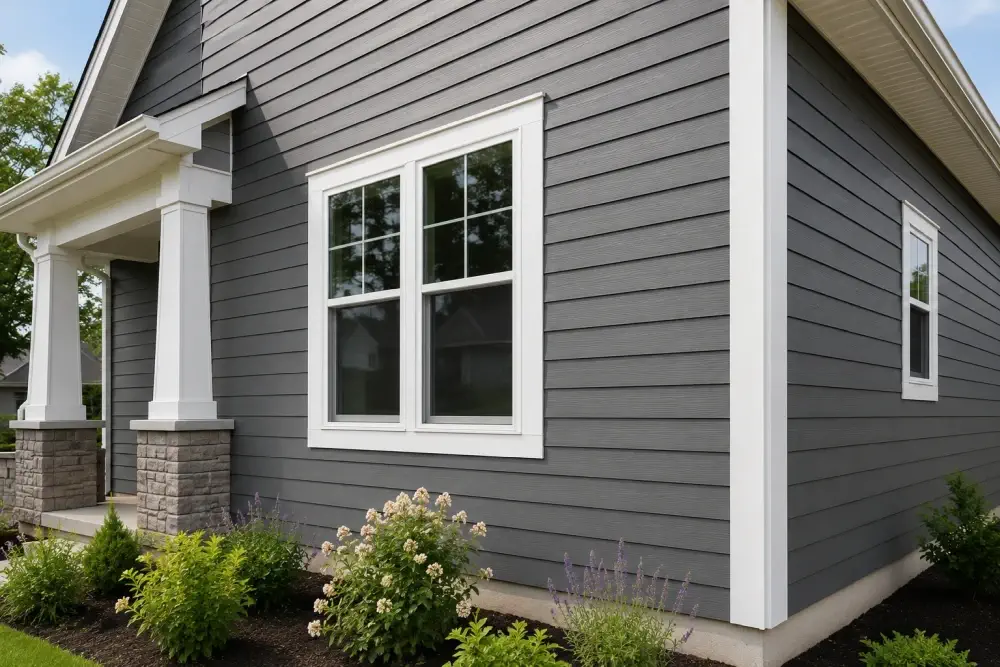
Fiber cement is often considered the best overall siding for homeowners who want durability, design flexibility, and long-term performance. It is manufactured from a combination of cement, sand, water, and cellulose fibers, creating a strong material that can closely resemble painted wood.
One of its greatest advantages is its resistance to common exterior problems. Fiber cement does not attract termites, resists rot, and is noncombustible. It also performs well in areas that experience humidity, rain, strong winds, and changing seasonal temperatures.
Fiber cement is available in several profiles, including horizontal lap siding, vertical panels, and shingle-style products. Homeowners can choose from a wide range of textures and colors without giving up the traditional appearance associated with wood siding.
The main drawback is its higher upfront cost. It is heavier than vinyl and requires experienced installers who understand the manufacturer’s fastening, clearance, flashing, and moisture-management requirements. It may also require repainting eventually, depending on the product and finish.
The James Hardie homeowner resource center provides additional information about fiber cement siding, product styles, and maintenance considerations.
Vinyl Siding
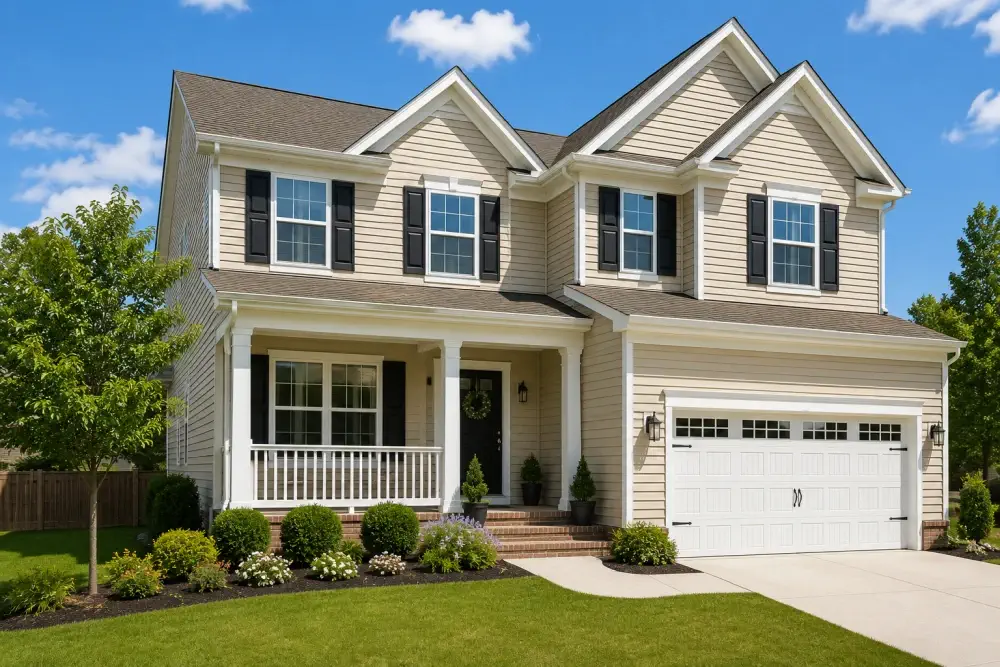
Vinyl siding is often the best choice for homeowners seeking a balance of affordability, appearance, and easy maintenance. Modern vinyl products are more durable and visually appealing than the thin, shiny panels commonly associated with older homes.
Premium vinyl siding is available in realistic wood-grain textures, deeper profiles, and a broad selection of colors. Because the color runs through the material, it does not require repainting. Routine cleaning and periodic inspections are usually enough to maintain its appearance.
Vinyl also performs well against moisture because it does not absorb water or rot. However, the wall assembly behind it still needs proper house wrap, flashing, and drainage. Vinyl siding is designed to allow water that gets behind the panels to escape safely rather than trapping it against the home.
Product quality matters significantly. Thicker panels generally provide better rigidity and impact resistance than entry-level products. Correct installation also allows the panels to expand and contract as temperatures change. Panels that are nailed too tightly may buckle or warp.
The Vinyl Siding Institute offers information about certified products, installation practices, maintenance, and vinyl siding performance.
Engineered Wood Siding
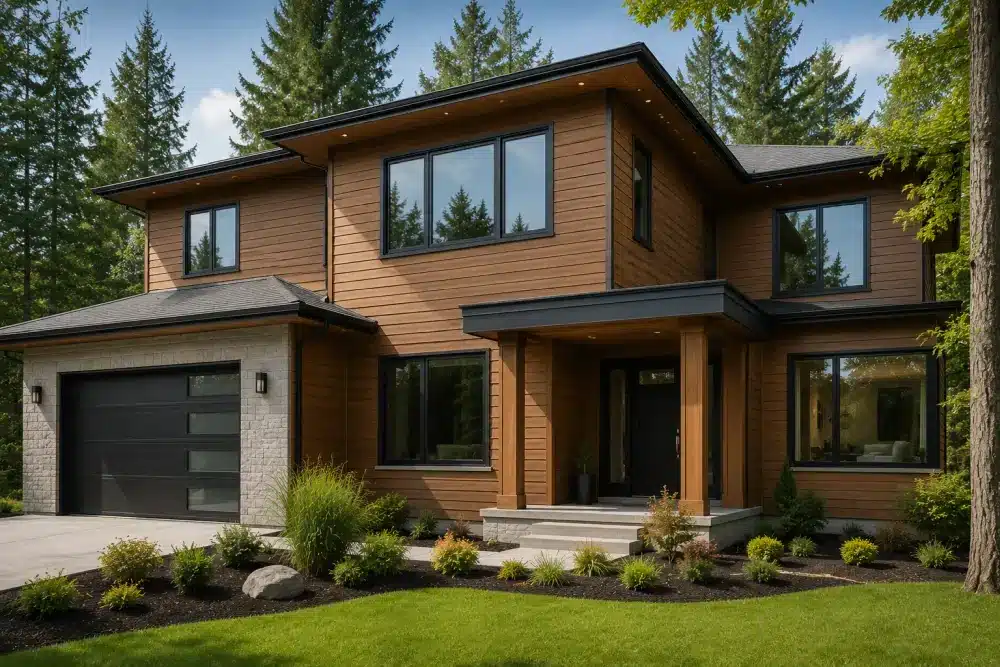
Engineered wood siding is a strong option for homeowners who want the warmth and texture of wood without all the maintenance associated with traditional lumber. It is made from wood strands or fibers combined with resins, binders, and treatments that improve resistance to moisture, decay, and insects.
Its appearance is one of its biggest advantages. Engineered wood can produce deep grain patterns and defined shadow lines that give a home a premium exterior. It is also lighter than fiber cement, which can make it easier to handle and install.
Engineered wood generally offers good impact resistance, making it worth considering in areas that experience hail or wind-driven debris. However, it still needs proper finishing and moisture protection. Cut edges, penetrations, and areas near the ground must be installed and sealed according to the manufacturer’s requirements.
Unlike vinyl, engineered wood may need to be repainted after years of exposure. Homeowners who value a convincing wood appearance may find that the extra maintenance is a worthwhile tradeoff.
Traditional Wood Siding
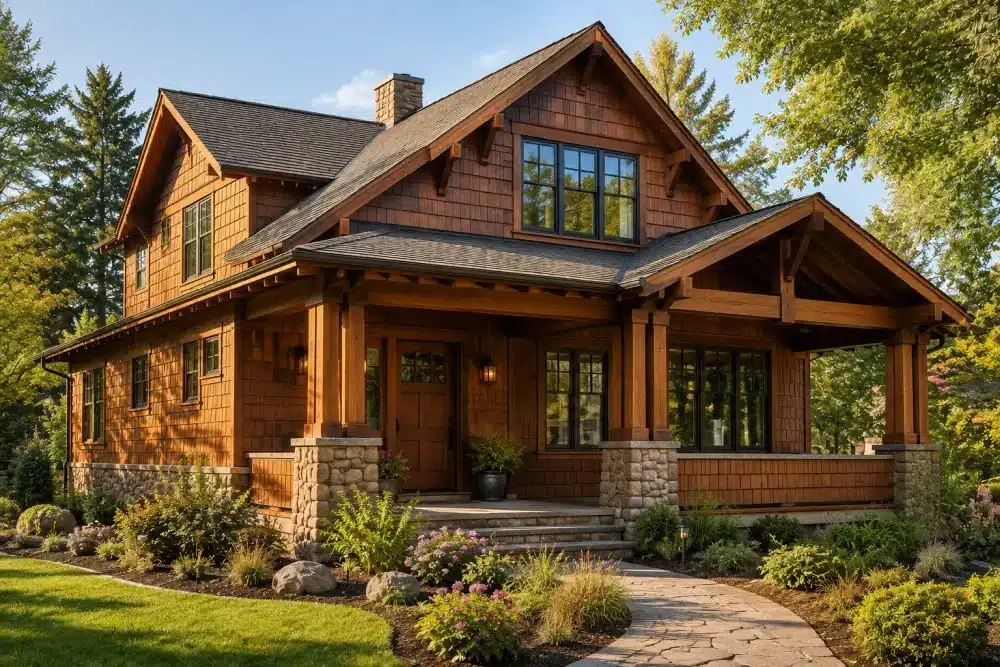
Natural wood siding remains one of the most attractive choices available. Cedar and other wood species create warmth, depth, and character that manufactured products attempt to reproduce.
Wood is especially well suited to historic homes, cabins, cottages, and custom properties where architectural authenticity matters. It can be painted or stained and is available in lap siding, shakes, shingles, and board-and-batten profiles.
The tradeoff is maintenance. Wood must be protected from prolonged moisture, insects, and ultraviolet exposure. Paint or stain needs to be renewed periodically, and damaged boards should be repaired before water reaches the wall assembly beneath them.
Traditional wood may be the best siding for homeowners who prioritize natural beauty and are comfortable with regular upkeep. It is generally not the best choice for someone seeking the lowest-maintenance exterior.
Metal Siding
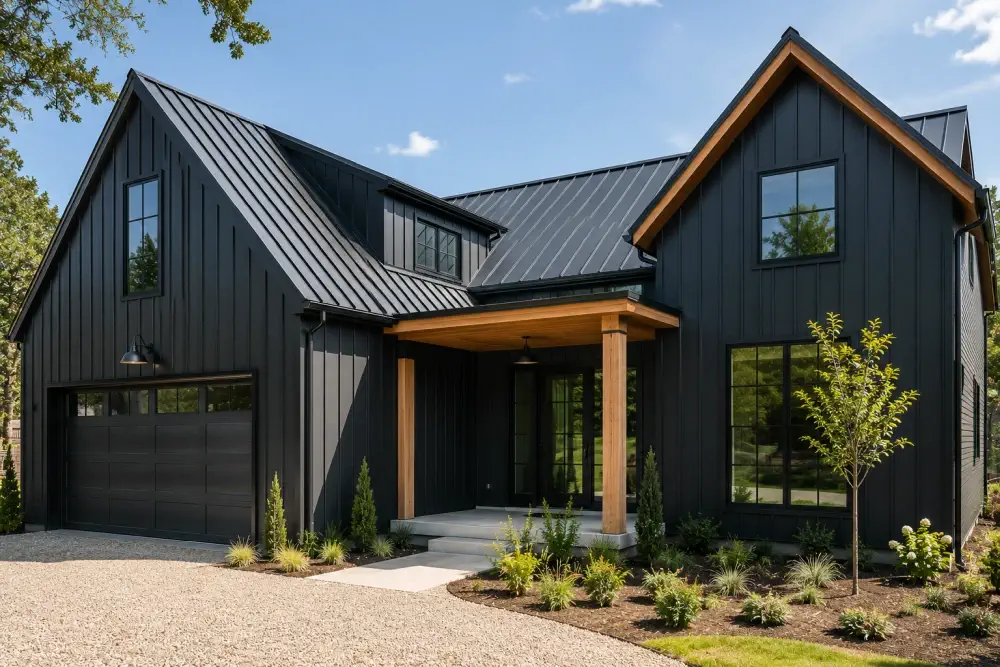
Metal siding offers durability, fire resistance, and a clean appearance. Steel is frequently used on contemporary homes, modern farmhouses, and properties with bold architectural designs. Aluminum is lighter and does not rust, although it can be more vulnerable to dents.
Metal does not rot or attract insects, and high-quality systems can remain functional for decades. It is available in traditional horizontal profiles as well as vertical panels that create a more modern look.
Its limitations depend on the product. Some metal siding may dent during severe hailstorms or from direct impacts. Scratched steel coatings should also be repaired to prevent corrosion from developing over time.
Metal siding is not appropriate for every architectural style, but it can be an excellent choice when longevity and a distinctive appearance are priorities.
What Is the Best Siding for Northwest Arkansas?
The best siding for Northwest Arkansas must perform through heat, humidity, heavy rain, hail, strong winds, freezing temperatures, and rapid weather changes. Moisture resistance and impact performance should therefore play a major role in the decision.
Fiber cement is a strong all-around choice for homeowners who want excellent durability and a premium appearance. Premium vinyl is often the best value for those who want lower costs and minimal upkeep. Engineered wood may be ideal when a realistic wood appearance and stronger impact resistance are the leading priorities.
The condition of the rest of the exterior should also be evaluated before the project begins. Damaged residential roofing, leaking gutters, failing window flashing, or deteriorated trim can allow moisture behind newly installed siding. Coordinating these repairs helps create a complete weather-resistant system.
Can New Siding Improve Energy Efficiency?
New siding may improve energy efficiency, but the material alone is only one part of the exterior wall system. House wrap, insulation, air sealing, window flashing, and proper installation usually have a greater effect on indoor comfort than the visible siding panels.
Insulated vinyl siding includes a rigid foam layer fitted behind the panels. This may increase the wall’s thermal resistance and reduce thermal bridging through the framing. Other siding projects can also create an opportunity to improve insulation or seal air leaks after the old material is removed.
Homeowners should be cautious about exaggerated savings claims. Energy performance depends on the home’s construction, existing insulation, local climate, and installation quality. The U.S. Department of Energy explains how insulation and air sealing contribute to a more efficient building envelope.
How Long Does Siding Last?
Siding lifespan depends on the material, product quality, climate, maintenance, and installation. There is no single number that applies to every home.
Fiber cement and metal siding can remain functional for several decades when installed correctly. High-quality vinyl can also provide many years of service, although impact damage and extreme weather may shorten its lifespan. Engineered wood and natural wood can last a long time when coatings, joints, and vulnerable areas are maintained properly.
The condition of the siding matters more than its age alone. A newer installation with poor flashing may develop problems sooner than an older system that was installed correctly and maintained consistently.
Signs Your Siding May Need to Be Replaced
Siding problems often begin with small visual changes. Cracked panels, loose boards, warping, rot, soft areas, peeling finishes, or repeated moisture stains may indicate that the exterior is no longer protecting the wall properly.
Other warning signs include mold growth, unexplained interior water stains, drafts near exterior walls, and unusually high energy bills. Storm damage may also be difficult to see from the ground, particularly on upper stories or less visible sides of the home.
Not every issue requires complete replacement. A professional inspection can determine whether localized repairs are sufficient or whether the underlying system has reached the end of its useful life.
Why Professional Siding Installation Matters
Siding is the visible layer of a much larger moisture-management system. The installation must direct water away from the home while allowing any moisture behind the panels to drain safely.
Correct flashing around windows, doors, roof intersections, vents, and utility penetrations is essential. Installers must also follow product-specific rules for fastening, expansion gaps, ground clearances, joint treatment, and sealing.
Poor installation may not become obvious immediately. Problems can remain hidden until rot, mold, or structural damage develops behind the siding. Hiring an experienced exterior contractor helps protect the manufacturer’s warranty and the home itself.
Frequently Asked Questions
What is the best overall siding for a home?
Fiber cement is often the best overall option because it combines durability, weather resistance, design flexibility, and an attractive wood-like appearance. Premium vinyl may be a better choice when affordability and low maintenance are the main priorities.
What is the most affordable siding?
Vinyl is generally one of the most affordable widely available siding materials. Final pricing depends on the product line, home size, removal requirements, trim details, and any repairs discovered beneath the existing siding.
What siding requires the least maintenance?
Vinyl requires very little routine maintenance because it does not need to be painted. Fiber cement and metal are also relatively low-maintenance, although finishes, caulking, joints, and flashing should still be inspected periodically.
Which siding is best for severe weather?
Fiber cement, engineered wood, and some metal systems can provide strong weather and impact performance. The best choice depends on local risks, product specifications, and installation quality rather than the material name alone.
Does replacing siding increase home value?
New siding can improve curb appeal, reassure prospective buyers, and correct moisture or maintenance problems. The value of the improvement depends on the home, neighborhood, material selected, and quality of the completed work.
Choose Siding That Fits Your Home
The best siding for your home is the material that provides the right combination of protection, appearance, maintenance, and cost. Fiber cement may offer the strongest overall performance, while vinyl delivers excellent value and engineered wood provides a convincing natural look.
First Star Exteriors helps homeowners compare siding options based on the home’s condition, architectural style, budget, and exposure to Northwest Arkansas weather. Our team can inspect your exterior, explain the differences between suitable materials, and provide a free, no-obligation quote for professional siding replacement.